
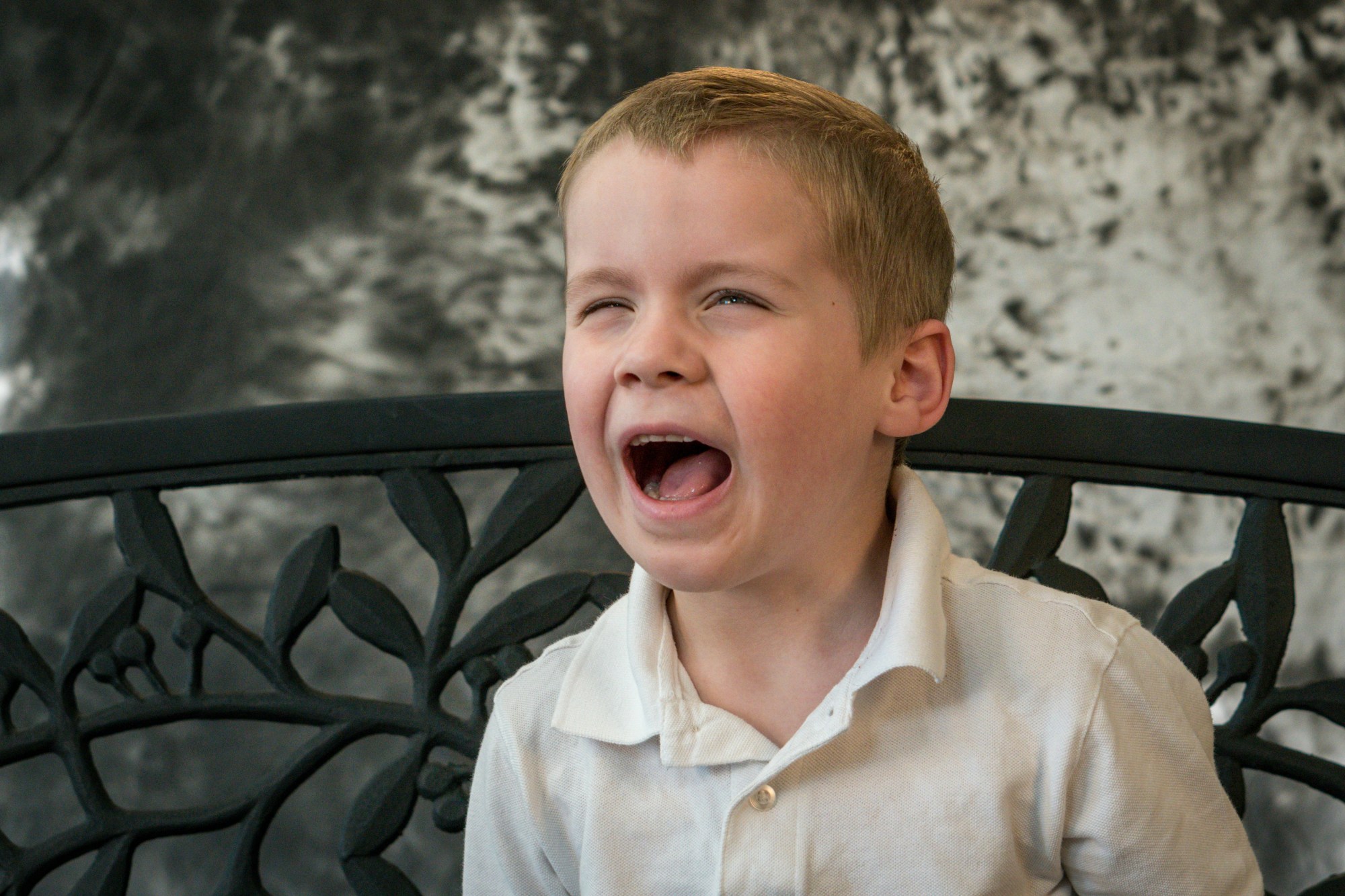
For parents and others looking after children and young people with additional needs, including in a church or school context, a “meltdown”, a refusal to follow instructions, or a sudden withdrawal can feel like a hurdle to overcome or a problem to fix. However, when we shift our lens from viewing behaviour as a “disruption” or “challenging” to viewing it as a form of communication, the entire landscape of support changes.
For children and young people with a range of additional needs — including Autism, ADHD, sensory processing disorders/differences, or developmental delays — behaviour is often the most reliable tool they have to communicate a need that their words cannot express.
Why Behaviour?
Language is a complex, high-level cognitive skill. It requires us to identify an internal state or feeling, find the corresponding vocabulary, structure a sentence, and deliver it under social pressure. For a neurodivergent child, any one of these steps can fail, especially when they are under stress.
When verbal communication becomes a bottleneck, the body takes over. Behaviour can be the “output” of an internal struggle. It is an attempt to regulate, to escape discomfort, or to seek what is needed.
The Iceberg Metaphor
Think of behaviour as the tip of an iceberg.
- Above the water (what we see): Hitting, screaming, rocking, hiding, or “non-compliance.”
- Below the water (the cause): Sensory overload, anxiety, physical pain, exhaustion, or a lack of understanding of the environment.
1. Sensory Processing: The World is Too “Loud”
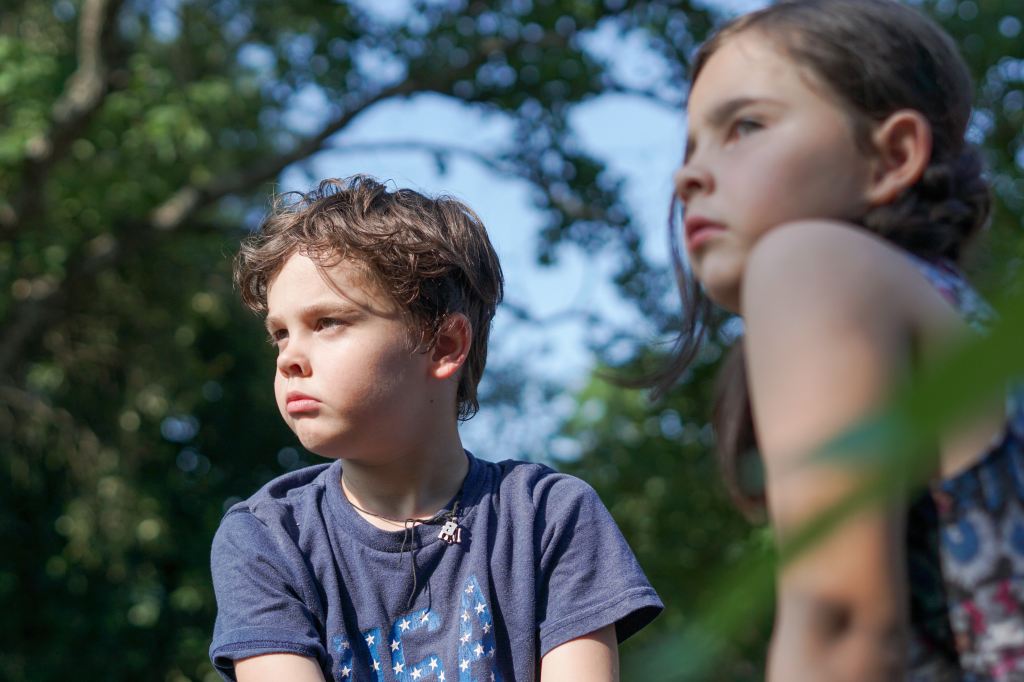
Many children with additional needs experience the world differently through their senses to their peers. What feels like a quiet room to a neurotypical adult might feel like a construction site to a child with sensory hypersensitivity.
- The Message: “I am overwhelmed.”
- The Behaviour: Covering ears, bolting from a room, or becoming aggressive when touched.
- The Communication: The child isn’t being “difficult”; they are in a state of sensory pain. Their behaviour is a desperate plea for a “sensory retreat” or a reduction in stimuli.
Conversely, some children are sensory seekers. They may crash into walls, spin, or chew on clothing. This behaviour communicates: “My body feels ‘muted,’ and I need high-impact input to feel where I am in space.”
2. Emotional Regulation and Executive Function

Executive functions are the brain’s “management system”—the skills that help us plan, focus, and multitask. Children with ADHD or Autism can often have significant gaps in these areas.
Transitions and Rigidity
A child who screams when asked to turn off the TV isn’t necessarily being “spoiled.” They may struggle with cognitive flexibility.
- The Message: “I don’t know how to stop what I’m doing and start the next thing. It feels like a cliff edge.”
- The Communication: The behaviour is a signal that they need more “bridge” time (like visual timers or 5-minute warnings) to prepare for the change.
The “Window of Tolerance”
Every human has a window of tolerance where they can handle stress. For children and young people with additional needs, this window is often much narrower. Once they are pushed outside that window, the corresponding behaviour is an involuntary physiological response—fight, flight, or freeze.
3. Social and Communication Barriers

Even for children who are highly verbal, “social communication” can be exhausting. They may be able to recite facts about space but struggle to tell you that a peer’s teasing made them feel bullied.
- The “No”: A child who says “No!” to every request might actually be saying, “I don’t understand what you want me to do, and that makes me feel unsafe.”
- Shutdowns: Withdrawing or refusing to speak (situational mutism) is often a communication of extreme internal pressure. It is the body’s way of “unplugging” to prevent a total system crash.
4. Decoding the “Functions” of Behaviour

Behavioural science often looks at the four main reasons (functions) why a behaviour occurs. Understanding these helps us “translate” the communication:
| Function | What the Behaviour Says | Example |
| Escape/Avoidance | “This task is too hard/scary.” | Tearing up a worksheet. |
| Sensory/Automatic | “This feels good/calming.” | Hand-flapping or rocking. |
| Tangible | “I want that specific item.” | Grabbing a toy from another child. |
| Attention | “I need you to notice me.” | Making loud noises while a parent is on the phone. |
5. The Role of the Environment

Often, the behaviour isn’t innate to the child; it’s a reaction to the environment. If a classroom is decorated with bright posters, has buzzing fluorescent lights, and other children moving noisily arounds, a child with additional needs is working twice as hard just to stay seated.
When we see what we might perceive as challenging behaviour, we must ask: “What is the environment asking of this child that they cannot currently provide?” If we change the environment (dimming lights, providing a fidget toy, using a visual timetable), and the behaviour subsides, we have successfully “listened” to what the behaviour was telling us.
6. Shifting from Discipline to Support

If behaviour is communication, then traditional discipline (carrot/stick, time-outs, taking away privileges) often fails because it ignores the message. If a child is screaming because they are in sensory pain, putting them in a “time-out” chair only increases their isolation and distress.
Strategies for “Listening” to Behaviour:
- Be a Detective, Not a Judge: Instead of asking “Why are they doing this to me?”, ask “What is happening to them?”
- Co-Regulation: A child in distress cannot “calm down” on their own. They need an adult to stay calm with them. Your calm becomes their anchor.
- Validate the Feeling: “I can see you are frustrated because the Lego broke. It’s hard when things break.” This gives them the words they were missing.
- Teach Functional Communication: If a child hits to get a snack, teach them to use a PECS (Picture Exchange Communication System) card or a simple sign for “eat.” Replace the “loud” behaviour with a “clear” communication tool.
Conclusion: The Power of Being Heard
When a child or young person feels understood, the need for “loud” or what is perceived as ‘difficult’ behaviour diminishes. By treating behaviour as a valid form of communication, we move away from a power struggle and toward a partnership.
The goal is not to ‘fix’ the child so they act like everyone else. The goal is to understand their unique language, support their underlying needs, and provide them with the tools they need to navigate a world that wasn’t always built with them in mind. When we listen to the behaviour, we finally hear the child.
Shalom,
Mark
Here’s the link to the new training I’m running about this…
https://www.eventbrite.co.uk/e/all-inclusive-understanding-behaviour-childrenyp-with-additional-needs-tickets-1984131041356
© Mark Arnold / The Additional Needs Blogfather
Images: Header image © Tim Bish at Unsplash

 The Additional Needs Blogfather