
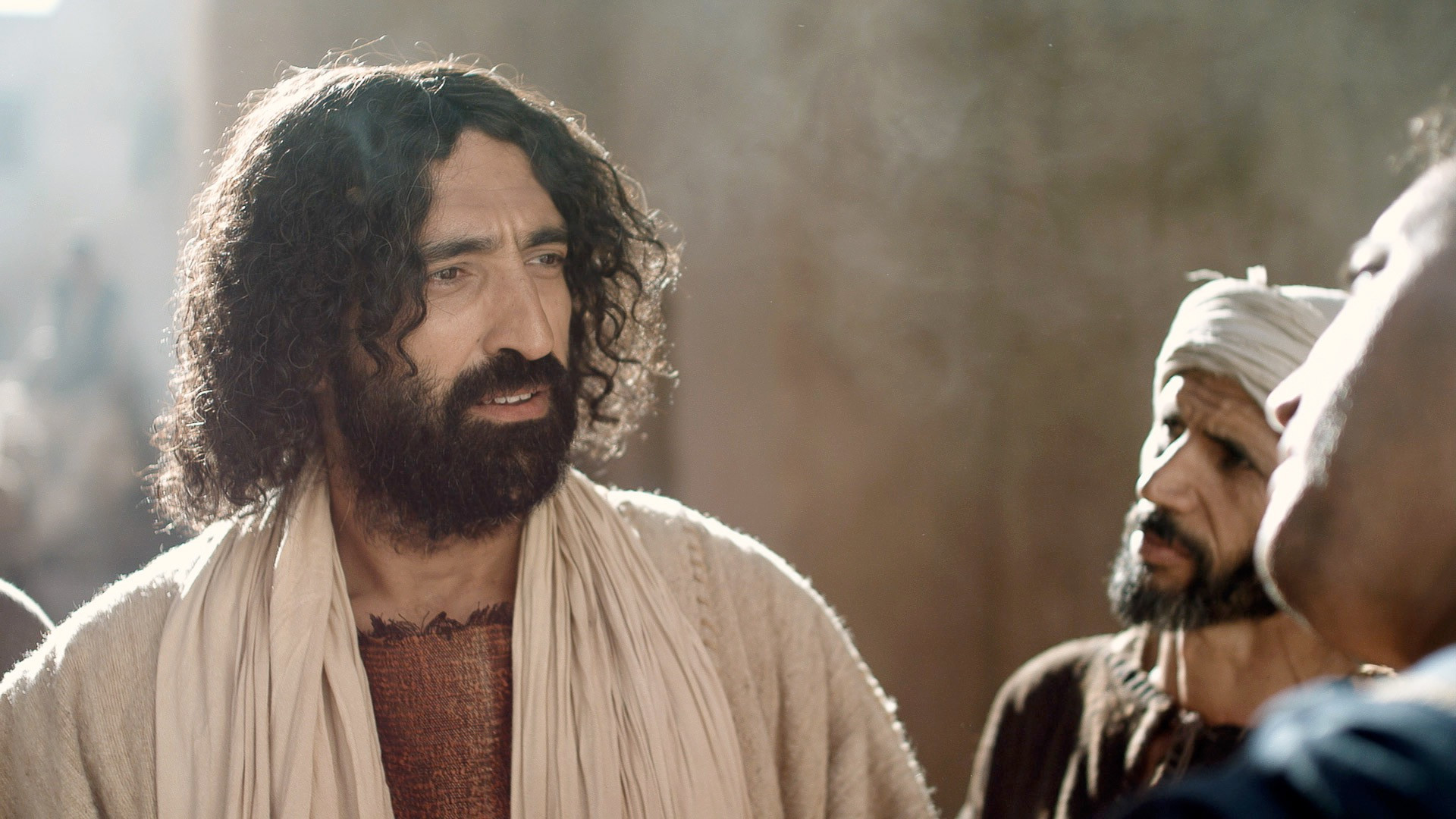
There are three times during Jesus’ ministry on Earth when he was asked to heal someone who wasn’t physically present at the time. In each case, Jesus gave healing to that person, far away though they were.
Let’s briefly identify and outline those encounters, and what links them, as well as exploring what they share with us today:
1. The Royal Official’s Son
(John 4:46–54)
Location: Jesus was in Cana; the boy was in Capernaum (approx. 20 miles away).
The Miracle: A government official begged Jesus to travel to heal his dying son. Jesus told him, “Go; your son will live.” The man believed and discovered later that his son’s fever left him at the exact hour Jesus spoke.
2. The Centurion’s Servant
(Matthew 8:5–13; Luke 7:1–10)
Location: Capernaum (Jesus was probably also in Capernaum, but some distance from the Centurion’s house).
The Miracle: A Roman centurion asked Jesus to heal his paralysed, suffering servant. When Jesus offered to go to the house, the centurion replied that he was not worthy and asked Jesus to “only say the word.” Jesus praised his great faith, and the servant was healed at that moment.
3. The Syrophoenician Woman’s Daughter
(Matthew 15:21–28; Mark 7:24–30)
Location: The region of Tyre and Sidon (again, Jesus was in the same area, possibly Tyre, but some distance from the woman’s home where her daughter was).
The Miracle: A Gentile woman pleaded for her demon-possessed daughter (it is also possible that the girl had Epilepsy). After a brief testing of her faith, Jesus said, “For such a reply, you may go; the demon has left your daughter.” When she returned home, she found her child lying in bed, the demon gone (or the Epilepsy healed).
Question: What links these healing encounters?
The primary link between these occurrences of Jesus healing people from a distance is the exceptional nature of the requester’s faith, which Jesus often specifically praised as surpassing that of those physically closer to him. There are other similarities between some of these accounts too, including:
1. Recognition of Divine Authority
In these instances, the person asking for help demonstrated a strong understanding of Jesus’ spiritual authority, believing his power was not bound by him needing to be physically present with the person needing to be healed.
- The Centurion: Specifically compared Jesus’ power to military command – if Jesus “said the word,” the command would be executed elsewhere without him needing to be there.
- The Royal Official: Eventually transitioned from believing Jesus had to be physically present to trusting his spoken word alone: “Go; your son will live”.
2. Testing and Strengthening of Faith
These healings often served as a faith journey or a test of the requester’s persistence and faith:
- The Syrophoenician Woman: Jesus initially appeared to refuse her, but her persistent, humble, response (“even the dogs eat the crumbs”) prompted Jesus to declare her faith “great” and heal her daughter immediately.
3. Inclusion of Outsiders
A significant pattern in distance healings is the inclusion of marginalised groups or Gentiles.
- The Centurion was a Roman officer, and the Syrophoenician woman was a Greek/Canaanite Gentile.
- By healing people from a distance, Jesus demonstrated that his salvation and power extended beyond the borders of Israel and to those often excluded by the religious establishment.
4. Foreshadowing the Post-Ascension Church
Some theologians view these miracles as a template for how believers relate to Jesus after his Ascension. Just as the servants and children were healed while Jesus was at a distance from them, we today can and do experience his presence and healing through the Holy Spirit without his physical, bodily, presence.
Question: What do these distance healings teach us today?
Jesus’ distance healings provide powerful practical and spiritual lessons for us today, showing us that his authority is not restricted by us needing to see him or him being physically present.
1. The Power of Intercessory Prayer
A major takeaway is that distance is no barrier to God’s power.
- Praying for others: Just as the The Syrophoenician Woman, the Centurion and the Royal Official petitioned for their loved ones from afar, these accounts encourage us to pray for people anywhere, trusting that God is present everywhere.
- Humility in request: The Centurion’s humility – acknowledging he was “not worthy” for Jesus to enter his home – serves as a model for approaching God with both deep respect and absolute confidence in his word.
2. Faith Before Seeing
These encounters challenge the modern need for “certainty” or immediate signs before trusting God.
- Trusting the Word: The Royal Official believed Jesus’ spoken word (“Go; your son will live”) and began his journey home before seeing the result. This teaches us to trust God’s promises even when we cannot yet see the evidence of his work.
3. Spiritual Authority Over Physical Limits
These miracles demonstrate that Jesus’ authority extends beyond physical touch to encompass all of creation.
- Divine Sovereignty: They remind us that Jesus is in charge even in situations that seem impossible or beyond human understanding.
- Kingdom Signs: Every miracle is a ‘sign’ that the Kingdom of God – where there is no disease or suffering – is breaking into our world. This offers hope for a future restoration of all things.
4. Inclusivity of Grace
Many of these distance healings involved Gentiles or outcasts, such as the Syrophoenician woman and the Roman Centurion.
- No Boundaries: They teach us that God’s mercy and healing are accessible to everyone, regardless of their cultural, ethnic, or religious background.
- Compassion for the Marginalised: Jesus’ willingness to respond to those outside the traditional religious circle encourages us to show similar compassion to those who feel excluded today.
In summary, Jesus’ distance healings collectively reveal that His power is governed by authority and faith rather than physical proximity. These accounts teach that intercessory prayer knows no boundaries, true faith often requires obedience before evidence, and Christ’s mercy intentionally extends to outsiders and marginalised groups. Ultimately, these distance miracles serve as a template for us today proving that Jesus’ Word remains as effective today through the Holy Spirit as it was when He stood miles away from those He healed.
Shalom,
Mark
© Mark Arnold / The Additional Needs Blogfather, images courtesy of Lumo Project Films – http://www.lumoproject.com
See also:
Jesus Healed People But What Was He Really Teaching Us?
https://theadditionalneedsblogfather.com/2020/02/04/jesus-healed-part-1/

 The Additional Needs Blogfather