
When Mark Twain attributed the phrase “There are three kinds of lies: lies, damned lies, and statistics” to 19thCentury British Prime Minister Benjamin Disraeli, the sentiment may have been right even if the source was suspect.
It is arguable, however, that the quote itself needs updating, to reflect modern times and even deeper levels of deceit. Mark Twain attributed the quote to a famous politician who served his country at a time when there was at least some semblance of honour and truth among the political class of the day.
Honour, accountability, and truth seem in considerably shorter supply today, in an era where politicians are routinely caught out in deceit, and will seemingly say anything to get a vote. We live in an era where people generally, and politicians specifically, adopt their ‘own truth’, one that fits their world view, whether that is in any way connected with reality or not.
Take Bridget Phillipson, the current Education Secretary, for example. Her views on the proposed SEND reforms are questionable at best, and are claimed by many SEND families to be damaging and deceitful at worst:
- Support in Mainstream Schools: She claims the reforms will make mainstream schools more inclusive by creating 60,000 new specialist places with £3 billion funding, and introducing Individual Support Plans (ISPs) for every child. Critics, however, argue that without vast numbers of newly trained staff, schools lack the capacity to deliver these plans equitably.
- Rationing EHCPs: Phillipson has stated that “the current system is failing” and that Education, Health and Care Plans (EHCPs) will be restricted to children with the most severe and complex needs. Families and campaigners are fearful that fewer EHCPs translate to less enforceable, guaranteed support.
- Increased Funding vs. Structural Cuts: She maintains that the government is “spending more money” overall. However, the Institute for Fiscal Studies and independent think tanks warn that the soaring costs of the system are outpacing funding, leading to concerns that rationing EHCPs is just a cost-control measure.
It hasn’t helped her case that she recorded a nauseating video with ‘celebrity’ Gemma Collins that received a significant backlash from many SEND families who branded it as tone deaf and trivialising of the challenges faced by many SEND families. You can see the video (if you have the stomach for it) here: https://www.youtube.com/shorts/v7nr32OD9EE
Perhaps if the consultation process that the Department for Education has put so much emphasis on had actually listened to SEND families, and taken their views into account, instead of seemingly ignoring and gaslighting them, it may have helped to create some trust.
The consensus among SEND families and advocacy groups is that they feel deeply unheard. While the government held public forums and encouraged feedback, major advocacy organisations argue that the proposed reforms risk stripping away vital legal rights and entitlements:
- Reduced Legal Rights: Groups like IPSEA raised major concerns that the consultation documents failed to clearly communicate that the proposed changes would reduce existing rights, particularly regarding EHCPs and the appeals process.
- Ignoring Specific Concerns: Thousands of families responded to the consultation objecting to specific policies, such as the introduction of shared collection points for SEND school transport, and higher financial contributions for post-16 learners. Parents argued this was unsafe and did not account for individual needs.
- Consultation Mechanics: Charity organisations highlighted that many of the largest planned changes had no corresponding consultation questions, making it unclear which proposals were genuinely up for debate and which were already decided.
- Tokenistic Engagement: Many parents and advocacy groups reported that the forums felt performative. Rather than listening to lived experiences or addressing specific safeguarding needs, families felt they were met with broad, aspirational, language. The video, including the phrase “Right. What are we doing to help the children?” being an example of this.
While ministers claim they are building a system where families’ voices would shape the future, the overwhelming sentiment from the SEND community is that their loud, widespread, opposition to the underfunded and counter-intuitive reforms was largely ignored in favour of cost-cutting measures; this seems to have been the main objective of the reforms all along.
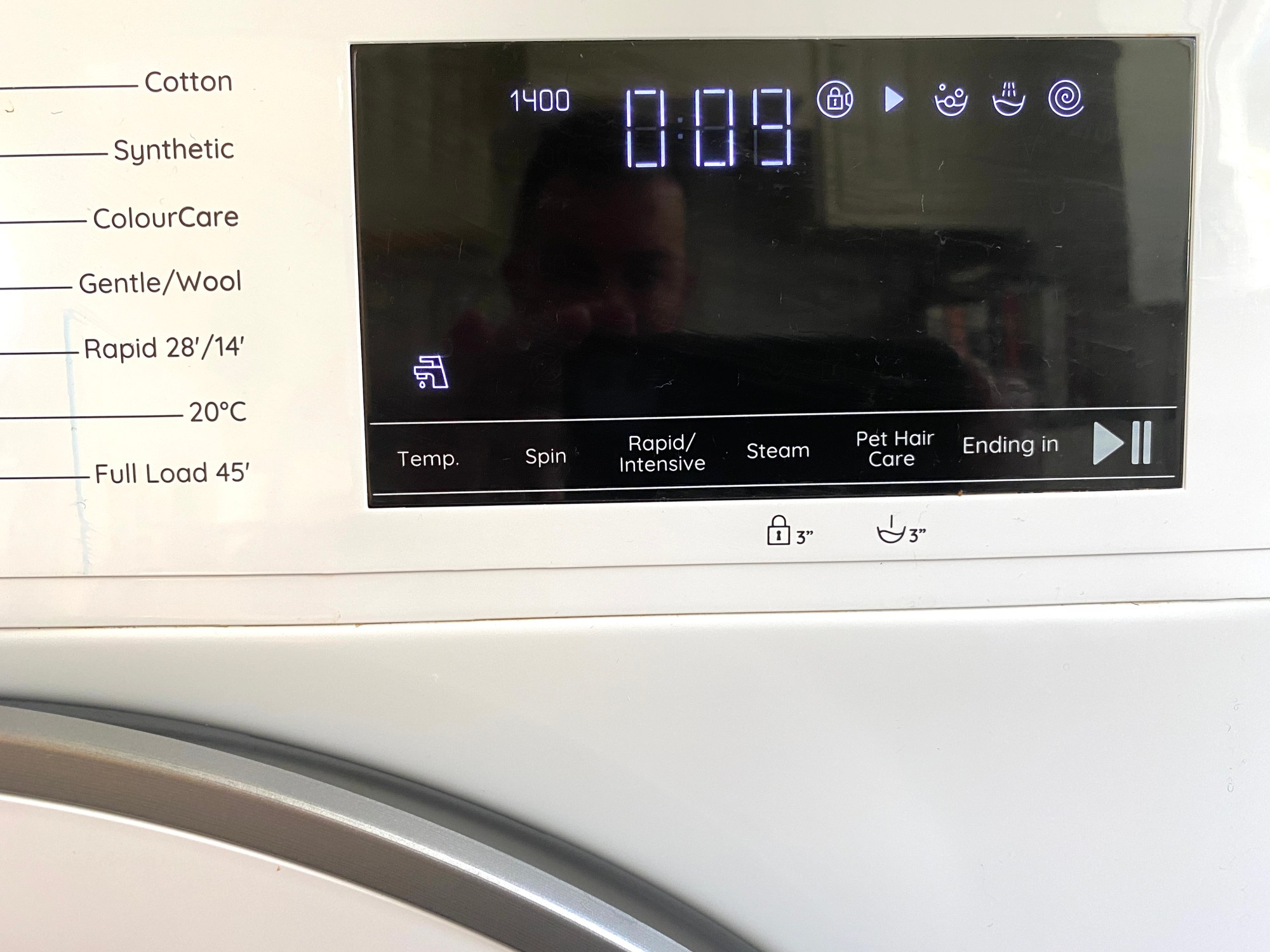
As it stands, Phillipson and the Department for Education are consigned to the fourth level of lies; behind lies, damned lies, and statistics, and only just above the worst level of lies of all, washing machine timers…
There is a special place in Hell where the designers of washing machine timers are told that they are going to be poked with tridents for “5 minutes”…. washing machine timer “5 minutes”… As a parent of a child with additional needs who is waiting for his special blanket to emerge from the washing machine, I can assure them that they will be being poked with that trident for eternity! I wonder if Bridget Phillipson had a career in washing machine design before she entered politics… I do hope so…
Tempus fugits, but not when doing the washing or waiting for appropriate SEND reforms,
Mark
All text and photos © Mark Arnold / The Additional Needs Blogfather


